EV Charger Installation Inglewood
Get all the info you need about Electric Vehicle Home Charging Inglewood. Are you seeking details and info related to EV Charging Station Install Cost Inglewood?
When it comes to Inglewood EV Charger Installation Quotes and Tesla Affordable Home Car Charging Station Inglewood... You have come to the right place...
How to find Electric Vehicle Home Charging Inglewood
Isn't it time to get it done? Let Claifornia EV Charger installer help you with all your EV Charger installer needs...



About EV Charger Installation Inglewood
EV Charger Installation Inglewood are THE Experts in All Things Related to Claifornia EV Charger installer. Do yourself a favor and get in touch with us right now...
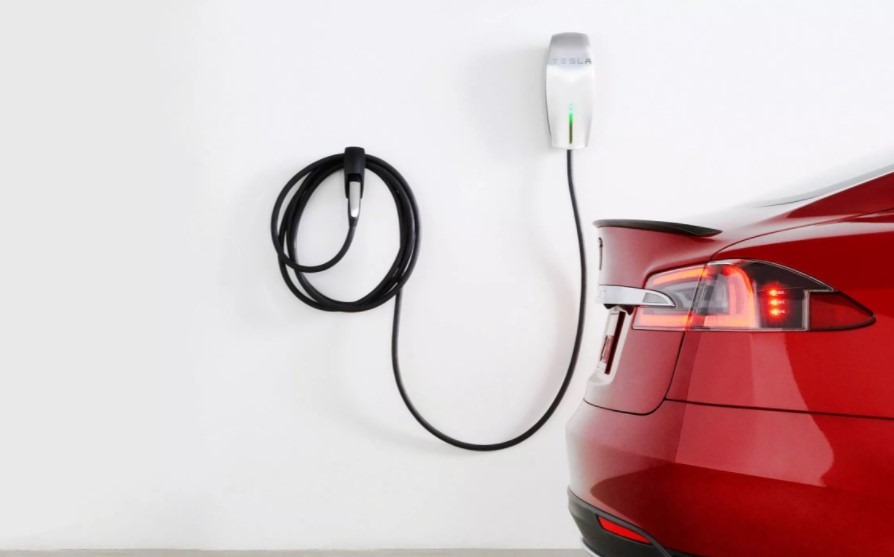
ARE YOU SEEKING
Inglewood EV Charger Installation Quotes?
If you are trying to find the best when it comes to Claifornia EV Charger installer, you have found it here.
Perhaps You Have Been Searching Everywhere For...
- Inglewood EV Charger Installation Quotes
- Electric Vehicle Home Charging Inglewood
- Tesla Affordable Home Car Charging Station Inglewood
- EV Charger Installation Inglewood
- EV Charging Station Install Cost Inglewood
Ready to get a quote for your new Electric car home Charger Installation in Inglewood? Get In touch Now…
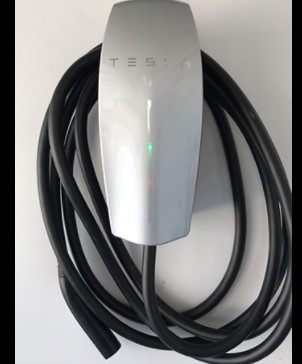
Learn More About EV Charging Station Install Cost Inglewood and Tesla Affordable Home Car Charging Station Inglewood
Charging your Ev (ie Tesla). How long does it take?
The answer depends entirely on the charging system you use.
If you plug the car into a 110v outlet - it'll take DAYS to recharge.
If you plug it into a 220v outlet (like your washer/drier outlets) then it'll recharge in a few hours.
If you use an official Tesla charger - then you can get from 20% to 80% in a matter of 20 to 25 minutes (and that is the most common way to recharge).
If you use the very latest Tesla "super-charger" then it can refill your batteries at a rate of 1000 miles of range per hour of charging. And with a 250-mile range - that makes it 15 minutes.
The thing is that the more fully charged the batteries are - the longer it takes to get a little more charge into them.
So to spend less time sitting at a charging station - you're better off stopping every (say) 200 miles and doing a quick charge up to 80% than you are stretching the battery life and waiting a long time to get to 100%.
The actual "How of it is pretty obvious - there is a little flap at the back of the car - kinda like the filler cap cover on a gasoline car - that fips open - and you plug in the charger cable.
For non-Tesia chargers, 220v and 110OV outlets - you'll need to use an adaptor plug - and a whole bunch of those come in a neat little bag in the trunk of the car.
How you pay is also a kind variable. With the Tesla chargers - you just tell your car which credit card to charge - and you just plug it in - let it charge - then unplug it when you're done. With non-Tesla chargers, you generally have to swipe your credit card to pay per kilowatt-hour.
The car can enough charge (and you can tell it what percentage you want it to charge up to so it'll automatically stop). Tesla often has free electricity give-away offers - sometimes it's some fixed number of free miles - other times its free electricity for a year or something. There are even better offers if you "refer a friend" and they buy a Tesla.
Frequently AskedQuestions
Here are Some Common Questions About Claifornia EV Charger installer...

How difficult is it to install a dedicated outlet (ie NEMA 14 To 50) for an electric vehicle (EV)? Can I do it myself ( I am supper handy)?
For an Expert - it is easy installation. You may be surprised that - in most cases - it is more affordable than you'd think... That said. High voltage outlets (ie 240VAC) are not to be trifled with. It is a very dangerous undertaking to the unqualified. If you don't understand exactly what you are doing, don't even remotely consider this as an opportunity to learn (or to save a couple of bucks). At best you will wind up with a sloppy-looking finished job. At worst... high voltage electric shock (or risk of burning the house down) = not good. So, how difficult is it for a pro to quickly get the job done? That depends upon what is already in place at your house, the distances involved, and the overall arrangement. The most likely thing that might make yours more expensive/difficult would be if your house's main breaker box does not have room for an additional double throw 50 amp breaker. Installing a new, larger main box would increase the cost of the project. By the way, there is no getting around the need for a licensed electrician for such a task.

How Fast Can I charge my Car (ie Tesla) with a standard wall outlet? Is it worth upgrading my house for more dedicated EV charging (such as level 2 - or Tesla Wall charger)?
It is really down to trading dollars for minutes and convenience for battery longevity. Here are the most common options people have when it comes to charging their cars at home.
1. SUPER FAST. If you're putting in the fastest home charging, you will be investing in both hardware (ie Tesla Wall Charger) and installing the charger. In some houses, you may even need to upgrade your main electrical service, which could add more to the needed budget requirements. But, for most electric vehicles - you'll be able to fully charge from nearly zero percent in 4-7 hours depending on your battery size. Note: Fast charging is harder on your battery chemistry, and will reduce your battery capacity faster.
2. PRETTY FAST. If you just upgrade your 220v dryer outlet, you'll probably get about 24-28 miles of charge per hour. That's pretty good even for heavy mileage drivers. The outlet upgrade should cost you only a couple hundred bucks if your electrician doesn't need to run new grounding or something. This is basically the same as many dryer or oven wall outlets and is amongst the most popular options EV owners choose. It is both economic and efficient. AND, unlike the above option - It's not as hard on your battery chemistry.
3. SLOW AND LOW. As for a standard wall outlet... If you just run off of a 20 Amp 120v circuit, you'll get 3-4 miles of range per hour. For commuters who drive less frequently (at low mileage), they can top off their battery every night. It's cheap, as it's using existing everything. And It's gentle as can be on your battery chemistry.
 " alt="" style="height: 1em; width: 1em; transform: translateY(0.15em); display: none;">
E: evchargerinstallationinglewood@ambety.com
P: (424) 349-4406
220 e. nutwood ave
Claifornia, 90301
United States